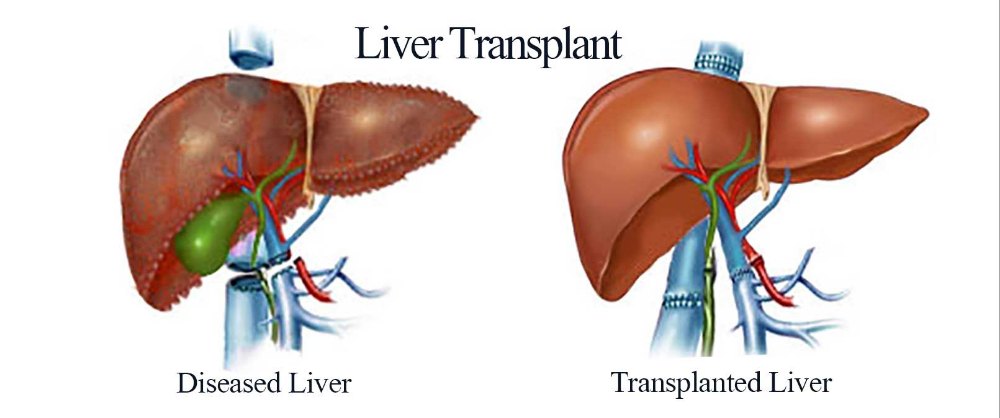
A liver transplant may be considered for selected patients with advanced liver disease, liver failure or certain liver-related conditions when the liver can no longer function adequately.
At Sravan Liver & Gastro Care, patients can receive specialist gastroenterology and hepatology evaluation to understand their liver condition, assess disease severity and determine whether further transplant evaluation may be appropriate.
Our approach focuses on understanding the patient’s medical history, liver function, imaging findings and overall health before recommending the next step in care.
Expert evaluation and guidance for patients with advanced liver disease and conditions that may require transplant assessment.
A liver transplant is a major medical procedure in which a diseased or severely damaged liver is replaced with a healthy liver from an appropriate donor.
It may be considered when severe liver disease significantly affects liver function and other treatment options are no longer sufficient.
Liver transplantation requires careful evaluation by a multidisciplinary transplant team, including specialists in hepatology, transplant surgery, anesthesia, critical care and other areas as required.
Transplant decisions are based on detailed medical assessment and are made by the appropriate specialist transplant team.
Patients with advanced cirrhosis and significant complications may require assessment for liver transplantation.
Severe liver dysfunction or liver failure may require urgent specialist evaluation.
Recurrent fluid accumulation, gastrointestinal bleeding, hepatic encephalopathy or other serious problems may indicate the need for transplant assessment.
Selected patients with certain liver cancers may be evaluated for transplantation depending on the type, stage and clinical criteria.
Some patients who develop sudden severe liver failure may require urgent evaluation at an appropriate transplant centre.
Certain symptoms and complications may indicate significant liver disease.
A detailed evaluation helps determine the severity of liver disease and whether transplantation may be appropriate.
Your gastroenterologist or hepatologist reviews your symptoms, medical history, previous treatments and existing liver conditions.
Blood tests and other investigations help assess liver function and the severity of liver disease.
Depending on the clinical situation, ultrasound, CT, MRI or other investigations may be recommended.
Complications related to cirrhosis or liver failure are evaluated to understand the overall condition.
When appropriate, the patient may be referred to a suitable liver transplant centre for comprehensive transplant evaluation.
Patients may require continued medical management and monitoring before, during and after the transplant evaluation process.
Important: Liver transplant evaluation is individualized. The need for referral and further assessment depends on the patient's liver condition, clinical findings and overall medical status.
Liver transplantation may involve different types of organ donation depending on the circumstances and availability.
The suitability of a donor and recipient is determined by the transplant team through detailed medical evaluation.
A portion of the liver from a medically suitable living donor may be transplanted into the recipient. The liver has the unique ability to regenerate, allowing both the donor's remaining liver and the transplanted portion to grow over time.
A suitable liver may be donated following the death of an eligible donor and allocated according to applicable medical and transplant regulations.
Liver transplantation is not the end of medical care. Long-term follow-up is essential.
Following the transplant team's recommendations is an important part of maintaining long-term health. Patients generally require regular follow-up and monitoring.
Specialized liver and gastroenterology care focused on evaluation, monitoring and individualized treatment planning.
Comprehensive assessment of liver disease, cirrhosis and liver-related complications.
Relevant blood tests, imaging and other investigations are considered to understand the underlying liver condition.
Treatment and monitoring recommendations are based on the patient's condition, medical history and clinical findings.
Recognizing complications early can help determine when specialist or transplant-centre evaluation may be appropriate.
When transplantation may need to be considered, patients can be guided toward appropriate specialist transplant-centre evaluation.
Continued monitoring and management are important for patients living with chronic liver disease.
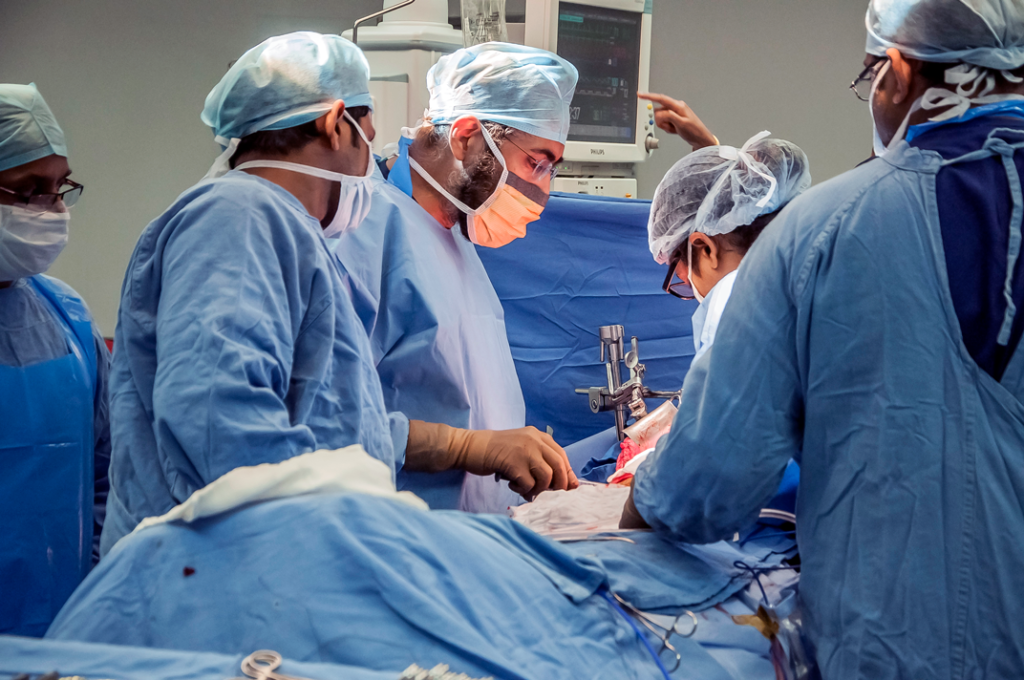
Our highly skilled surgeons utilize cutting-edge techniques to ensure the best possible outcomes for liver transplant patients, prioritizing safety and precision.
We offer holistic care, including thorough pre-operative evaluations, personalized treatment plans, and continuous post-operative support to enhance recovery and long-term success.
Our team of herpetologists, transplant surgeons, dietitians, and support staff work together to provide integrated care, addressing every aspect of your health and well-being throughout the transplant process.
If you have been diagnosed with liver cirrhosis, liver failure, advanced liver disease, recurrent complications of liver disease or another serious liver condition, specialist evaluation can help determine the appropriate next step.
PINNACLE HOSPITALS – Gastroenterology Department
Looking for liver transplant in Visakhapatnam or specialist care for advanced liver disease? Consult a gastroenterology and liver specialist for appropriate evaluation and guidance.