
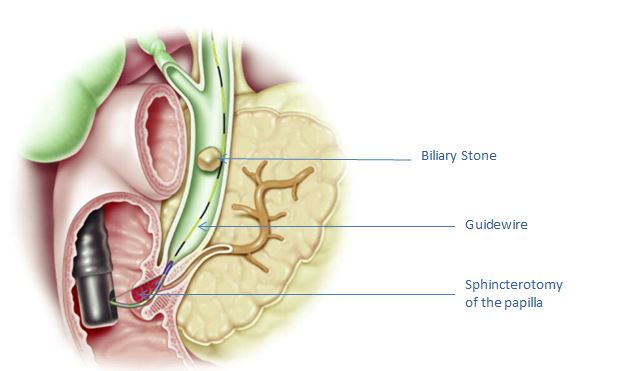
ERCP in Visakhapatnam
Advanced ERCP for Bile Duct & Pancreatic Disorders
Endoscopic Retrograde Cholangiopancreatography (ERCP) is an advanced endoscopic procedure used to diagnose and treat selected conditions affecting the bile ducts and pancreatic ducts.
At Sravan Liver & Gastro Care, ERCP is part of specialized gastroenterology and advanced endoscopy services, helping patients receive appropriate evaluation and treatment for biliary and pancreatic conditions.
If you have been advised to undergo ERCP in Visakhapatnam, our gastroenterology team can evaluate your condition and determine whether ERCP is appropriate for you.
What Is ERCP?
ERCP combines endoscopy and X-ray imaging to examine and treat problems involving the bile ducts and pancreatic ducts.
A specialized endoscope is passed through the mouth and digestive tract to reach the opening of the bile and pancreatic ducts. Contrast material may then be introduced to help visualize the ducts.
Depending on the condition, ERCP may allow the doctor to perform therapeutic procedures during the same session.
ERCP May Be Used To:
- ✓ Remove bile duct stones
- ✓ Treat selected bile duct blockages
- ✓ Investigate abnormal bile ducts
- ✓ Manage certain bile leaks
- ✓ Place stents when clinically required
- ✓ Treat selected pancreatic duct disorders
- ✓ Obtain tissue samples when appropriate
If you have been advised to undergo ERCP, consult a gastroenterology specialist to understand whether the procedure is appropriate for your condition.
☎ Book a ConsultationWhen Is ERCP Recommended?
ERCP is generally considered when a patient has a suspected or confirmed problem involving the bile ducts or pancreatic ducts and an endoscopic procedure may be appropriate for diagnosis or treatment.
Bile Duct Stones
ERCP may be used to remove stones located in the bile duct when clinically indicated.
Bile Duct Obstruction
A blockage of the bile duct may require endoscopic evaluation and treatment.
Jaundice
Certain cases of obstructive jaundice may require evaluation of the bile ducts.
Bile Duct Narrowing
ERCP can help evaluate selected strictures or narrowing of the bile ducts.
Bile Leaks
Selected bile leaks may be managed using endoscopic techniques.
Pancreatic Duct Disorders
ERCP may be considered for selected pancreatic duct conditions based on the clinical situation.
Have you been advised to undergo ERCP? Discuss your condition with our gastroenterology team.
☎ Book a ConsultationHow Is ERCP Performed?
Understanding the different stages of an ERCP procedure can help you feel more informed and prepared for your treatment.
Consultation & Evaluation
Your gastroenterologist reviews your symptoms, medical history, blood tests and imaging reports such as ultrasound, CT or MRCP when available.
Preparation
You will receive instructions regarding fasting, medications and other preparation required before the procedure.
Endoscope Introduction
A specialized flexible endoscope is passed through the mouth and digestive tract to reach the duodenum.
Duct Visualization
The opening of the bile duct or pancreatic duct is identified, and contrast may be introduced to visualize the ducts.
Treatment
Depending on the findings, the doctor may remove stones, open a narrowed area, place a stent or perform another appropriate intervention.
Recovery & Follow-Up
After ERCP, you will be monitored during recovery. Your doctor will discuss the findings and provide further treatment or follow-up recommendations.
The exact preparation, procedure and recovery process may vary depending on your condition, the treatment required and your doctor's recommendations.
Have you been advised to undergo ERCP? Speak with our gastroenterology team.
☎ Book a ConsultationERCP for Bile Duct Conditions
ERCP may be used as a therapeutic procedure for selected conditions affecting the bile ducts and pancreatic ducts.
ERCP for Bile Duct Stones
One of the common therapeutic uses of ERCP is the management of bile duct stones.
When a stone is blocking the bile duct, ERCP may allow the gastroenterologist to access the duct and remove the stone without conventional open surgery.
The appropriate treatment depends on the location of the stone, your symptoms, imaging findings and overall clinical condition.
ERCP for Bile Duct Obstruction
A blocked bile duct can interfere with the normal flow of bile and may result in symptoms such as jaundice.
Depending on the cause and clinical situation, ERCP may be used to:
- Identify the site of obstruction
- Remove stones
- Treat selected strictures
- Place a bile duct stent when required
- Obtain samples in selected cases
ERCP for Jaundice
Jaundice can occur when bile flow is obstructed.
If investigations suggest that the bile duct is blocked, your gastroenterologist may recommend further evaluation with imaging and, when appropriate, therapeutic ERCP.
The underlying cause of jaundice needs to be established before deciding on the appropriate procedure.
Is ERCP Painful?
Many patients are concerned about discomfort during ERCP.
ERCP is generally performed with appropriate sedation or anesthesia, depending on the patient's condition, procedure requirements and medical team's recommendation.
Your doctor will explain the preparation, sedation, procedure and recovery process before ERCP.
Is ERCP Safe?
ERCP is an advanced medical procedure and, like any invasive procedure, can have potential risks.
- Pancreatitis
- Bleeding
- Infection
- Perforation
- Sedation-related reactions
- Contrast-related reactions
Your gastroenterologist will discuss the potential benefits, risks and alternatives before recommending ERCP.
ERCP vs MRCP
ERCP and MRCP are different procedures with different purposes.
| Feature | MRCP | ERCP |
|---|---|---|
| Type | Non-invasive imaging test | Endoscopic procedure |
| Main purpose | Visualize the bile and pancreatic ducts | Evaluate and, when appropriate, treat duct disorders |
| Treatment | Does not provide endoscopic treatment | Certain treatments can be performed during the procedure |
| Example | Duct imaging and evaluation | Selected bile duct stone removal or stent placement |
Have you been advised to undergo ERCP or have concerns about your bile duct or pancreatic condition?
☎ Book a ConsultationAdvanced Endoscopy & ERCP Care
At Sravan Liver & Gastro Care, ERCP is provided as part of specialized gastroenterology and advanced endoscopy care.
Our approach focuses on appropriate evaluation, clear communication and treatment planning based on each patient's individual clinical requirements.
Specialized Expertise
Evaluation and management of selected biliary and pancreatic disorders.
Advanced Endoscopy
ERCP provides access to the bile and pancreatic ducts for appropriate therapeutic interventions.
Patient-Centered Care
The procedure, preparation and recovery process are explained clearly to help patients understand their treatment.
Comprehensive Evaluation
Your symptoms, imaging findings, laboratory reports and medical history are considered before recommending ERCP.
Personalized Treatment
The treatment approach is selected according to the individual patient's condition and clinical requirements.
Have you been advised to undergo ERCP? Discuss your condition with a gastroenterology specialist.
☎ Book a ConsultationFrequently Asked Questions About ERCP
Find answers to common questions about ERCP, its uses, procedure and preparation.
ERCP stands for Endoscopic Retrograde Cholangiopancreatography . It is an advanced endoscopic procedure used to diagnose and treat selected disorders of the bile and pancreatic ducts.
ERCP may be performed to treat conditions such as bile duct stones, bile duct obstruction, selected strictures, bile leaks and certain pancreatic duct disorders.
Yes. Removal of bile duct stones is one of the important therapeutic uses of ERCP when clinically appropriate.
ERCP is an advanced endoscopic procedure rather than conventional open surgery. It allows certain biliary and pancreatic conditions to be treated through the digestive tract.
The duration varies depending on the patient's condition and the treatment required during the procedure.
Bring previous scan reports, blood test results, prescriptions, medication details and other relevant medical records.
Comprehensive Diagnosis
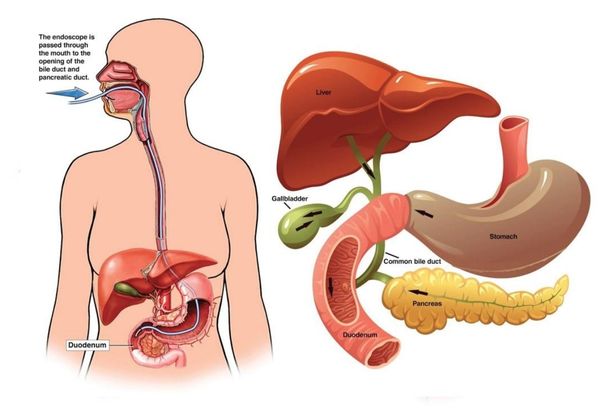
ERCP allows for detailed imaging and evaluation of the bile ducts, pancreas, and gallbladder to diagnose conditions such as blockages, stones, or tumors.
Minimally Invasive Treatment
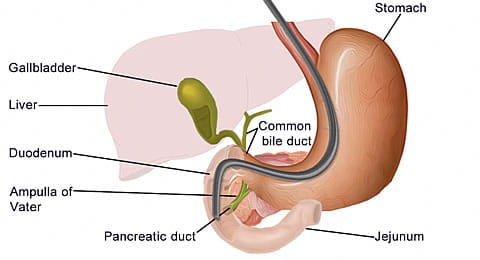
This procedure not only identifies problems but also provides therapeutic solutions, such as removing bile duct stones, placing stents, or treating strictures, all through a minimally invasive approach.
Expert Care and Precision
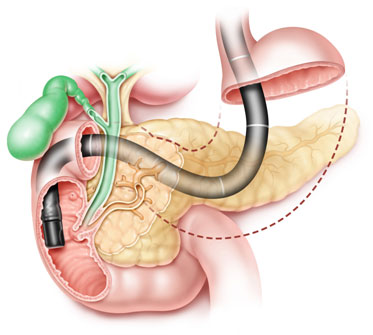
Performed by highly skilled specialists, ERCP offers precise and targeted treatment, reducing recovery time and improving patient outcomes.
Book an ERCP Consultation in Visakhapatnam
If you have been diagnosed with a bile duct stone, bile duct obstruction, jaundice or another biliary or pancreatic condition and have been advised to undergo ERCP, consult a gastroenterology specialist for appropriate evaluation.
Sravan Liver & Gastro Care
PINNACLE HOSPITALS – Gastroenterology Department
☎ Call +91 63031 66673PINNACLE HOSPITALS – Gastroenterology Department, Plot-17A, Health City, Chinna Gadhili, Hanumantha Vaka, Visakhapatnam – 530040